Down syndrome
A genetic condition caused by an extra chromosome. It can affect learning pace and some physical traits. With support shaped around their strengths, people with Down syndrome lead full, connected lives.
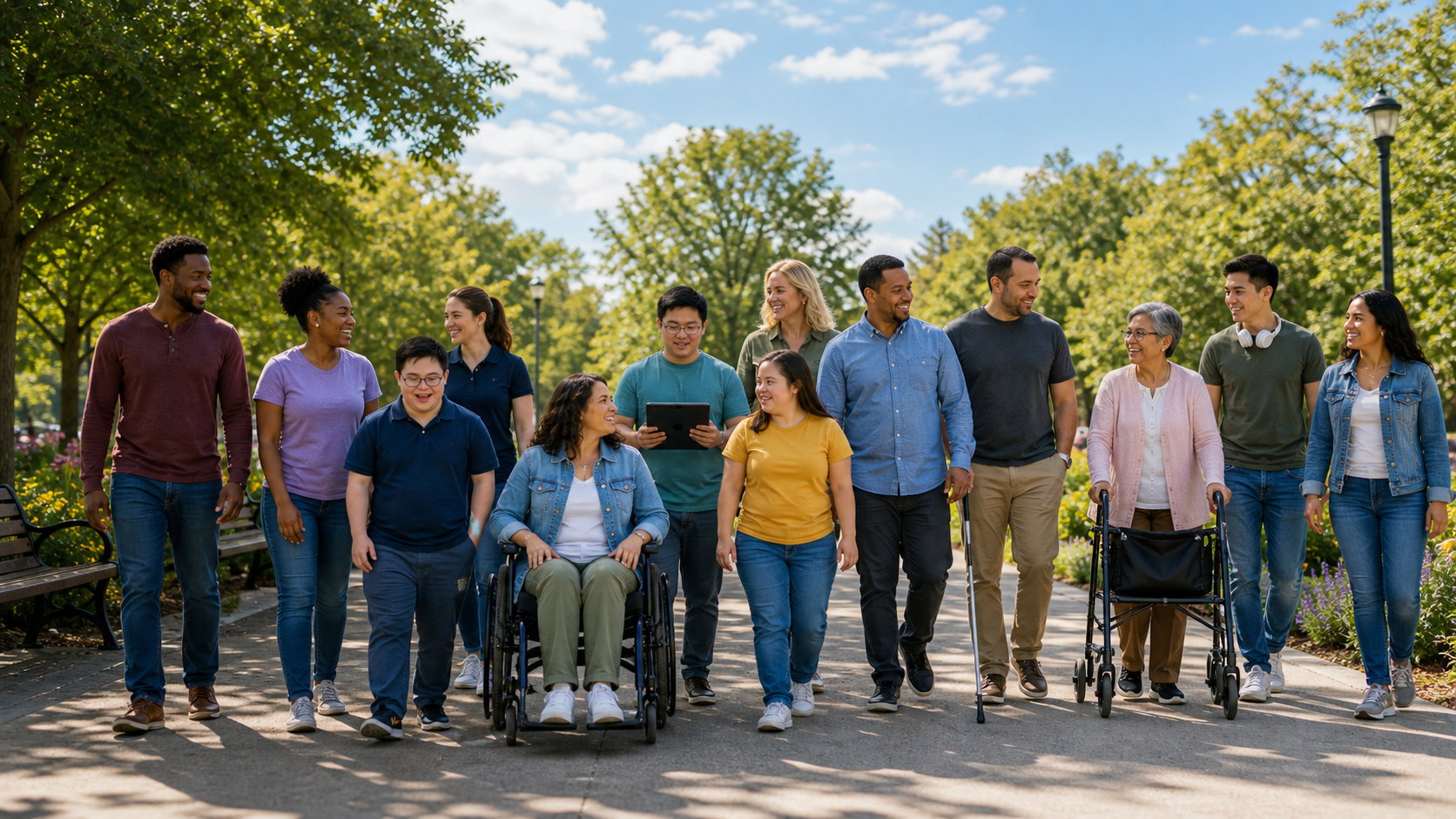
Learn about the developmental disabilities and acquired brain disorders we support, and how the right care helps people live with dignity, choice, and connection.
Understanding a person's disability can help shape better support, but a diagnosis never defines who someone is. Every person has their own strengths, preferences, communication style, and goals.
The descriptions below are general and educational. Real support always starts with the individual, not the category they fall into.
Developmental disabilities begin during the developmental period and can affect learning, language, movement, or daily living skills. They are lifelong, and people continue to grow and take part in community life with the right support.
A genetic condition caused by an extra chromosome. It can affect learning pace and some physical traits. With support shaped around their strengths, people with Down syndrome lead full, connected lives.
Autism shapes how a person communicates, experiences their senses, and relates to others. Support focuses on communication, predictable routines, and environments that work with how each person experiences the world.
A group of conditions affecting movement, posture, and coordination that begin in early brain development. Support often centers on mobility, daily tasks, and accessible ways to take part in everyday life.
Differences in intellectual functioning and adaptive skills that affect learning and everyday tasks. With patient, person-centered support, people build independence, confidence, and new skills over time.
Acquired brain disorders develop after a period of typical development, often from an injury or medical event. They can change memory, communication, movement, or daily functioning, and support helps people rebuild routines and reconnect with what matters to them.
Caused by an external impact to the head. Effects vary widely and can involve memory, attention, mood, or physical ability. Support adapts as a person recovers and adjusts to changes.
Occurs when blood flow to part of the brain is interrupted. It can affect movement, speech, and daily skills. Consistent, encouraging support aids rehabilitation and independence.
Brain changes from illness, infection, or oxygen loss can also affect daily functioning. Support is shaped around each person’s current abilities, needs, and goals.
Whatever the diagnosis, good support works toward the same things: more independence, more choice, and a fuller everyday life.
Helping people express needs and choices in the ways that work best for them.
Building routines and skills for personal care, home life, and growing independence.
Creating real opportunities to take part in activities, relationships, and community life.
Supporting safe routines, appointments, and everyday well-being with dignity.
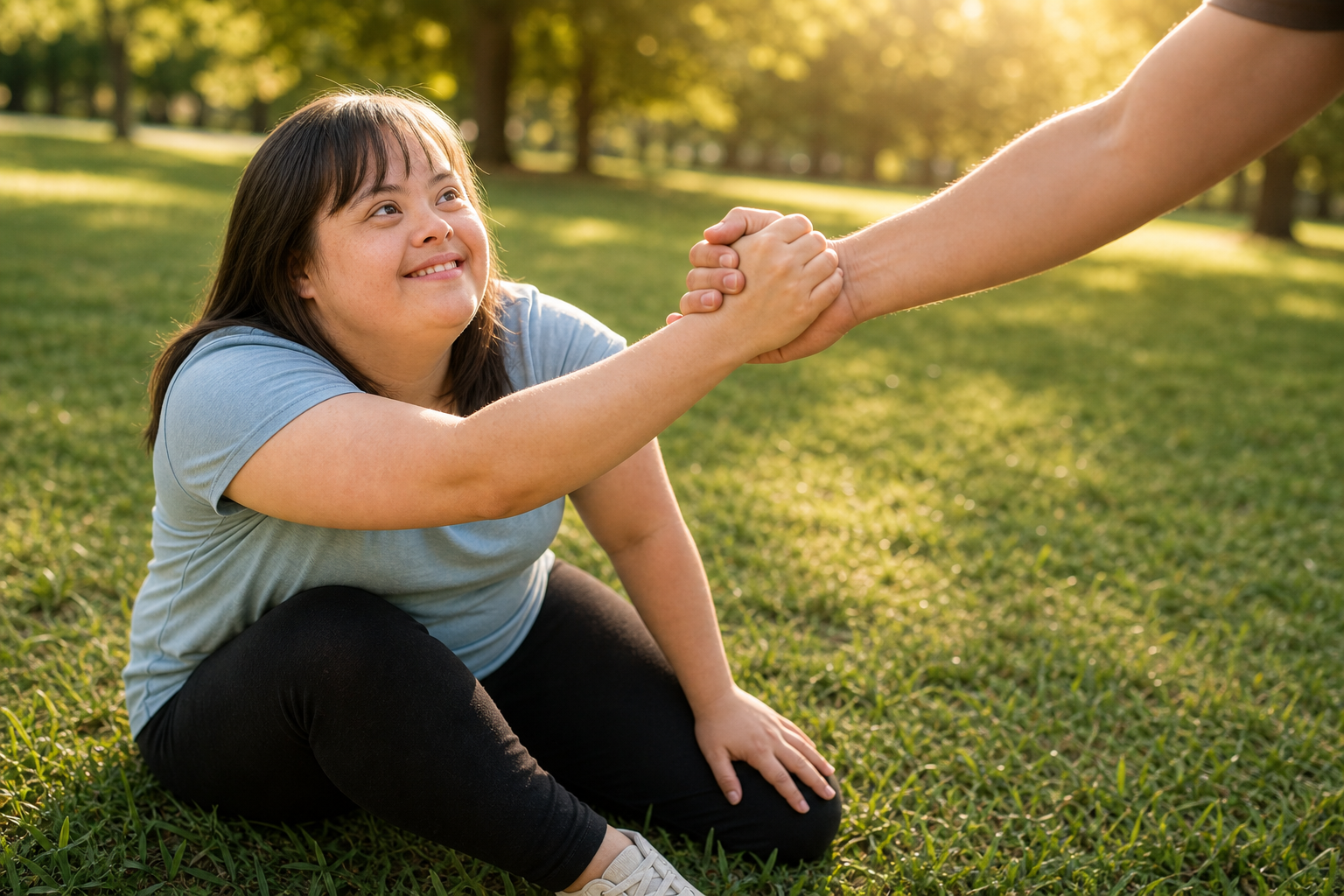
HumanLinkcare supports adults with developmental disabilities and acquired brain disorders through person-centered Day Programs and Residential Services that honor each person's voice, routines, and goals.
If you are exploring support for yourself or someone you love, we are glad to help you understand the options.