Support for intellectual disability, autism, Down syndrome, and related developmental conditions, shaped around communication, learning, choice, and daily routines.
Services
Find the right support path for each person.
HumanLinkcare supports adults with developmental disabilities and acquired brain disorders through two primary services: Day Program and Residential Services.
Who we support
Support built around each person.
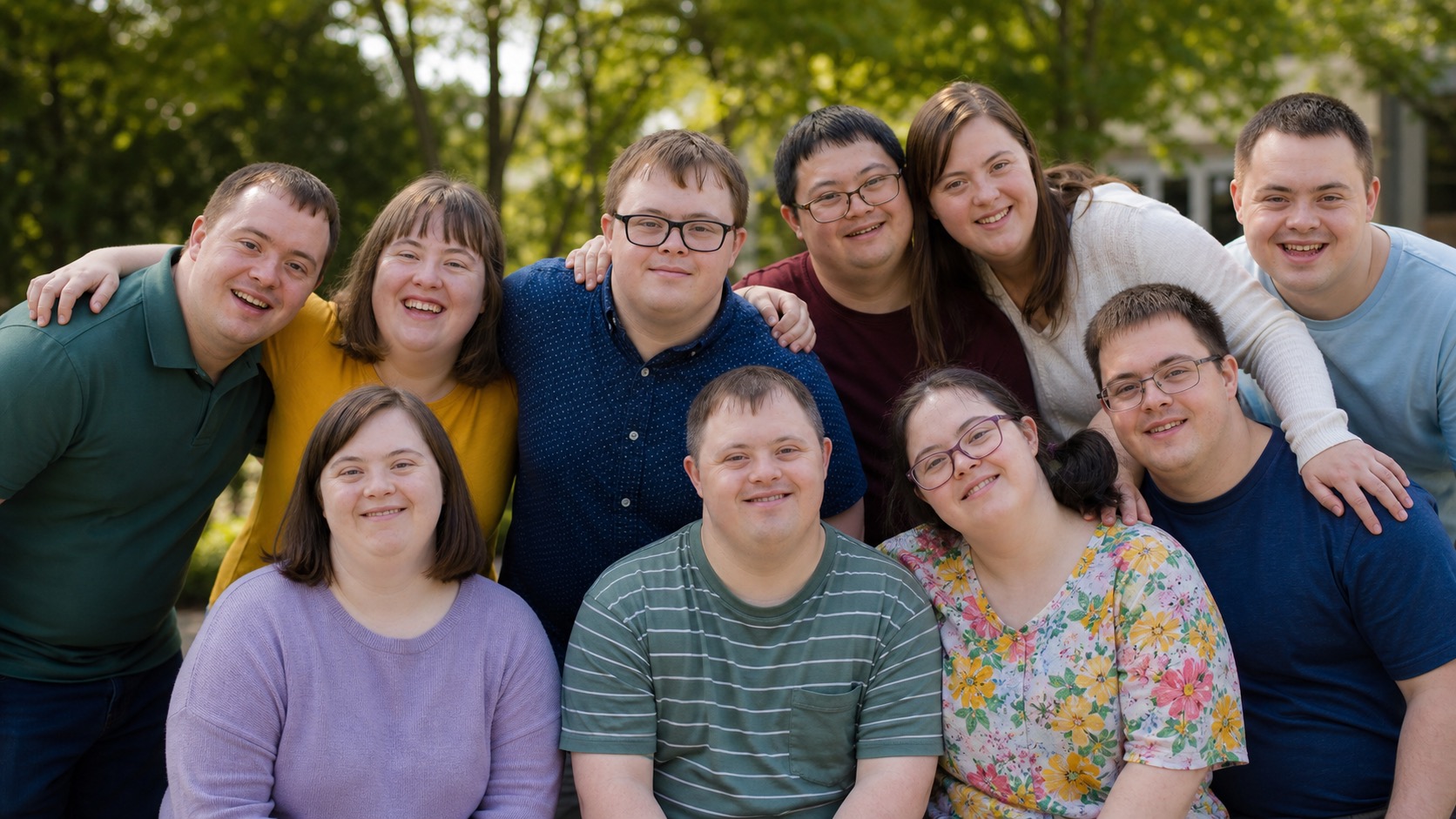
We support adults with developmental disabilities and acquired brain disorders through care that starts with the person, not just the diagnosis.
Learn more about our mission and valuesSupport for brain injuries related to vehicle accidents, falls, strokes, carbon monoxide poisoning, or other neurological events, adjusted to current abilities and safety needs.
A practical support plan built with the individual, family members, guardians, caregivers, and support professionals to encourage independence, connection, and confidence.
Service overview
Day Services and Residential Services.
Each service path is designed to support daily living, independence, social connection, wellness, and meaningful participation in community life.

Day Services
Flexible day programs that support learning, social connection, recreation, wellness, and community participation. Activities are shaped around individual interests and abilities, with opportunities to build skills, confidence, friendships, and meaningful daily routines.
Explore Day Services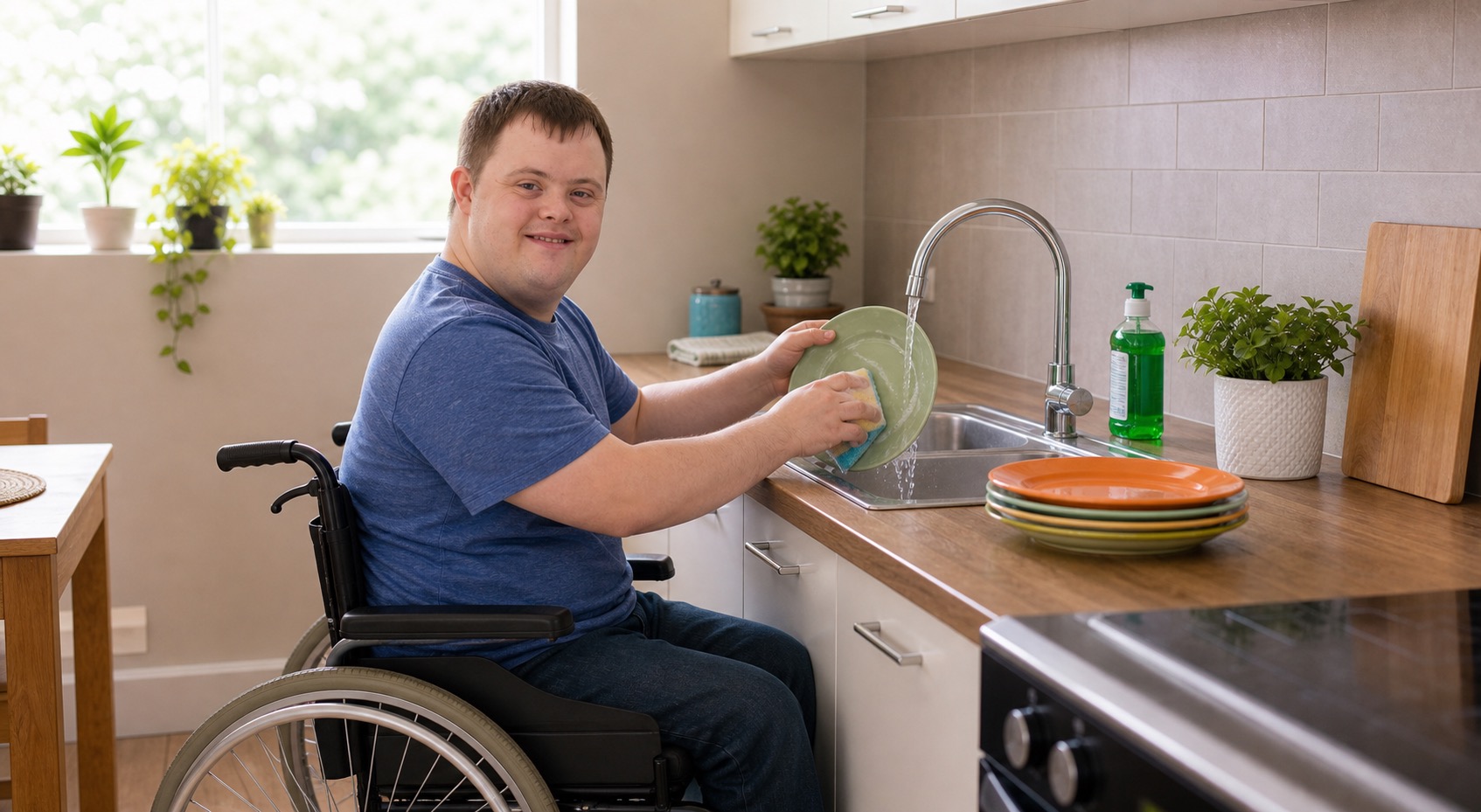
Residential Services
Safe, comfortable home settings that support daily living, belonging, independence, and household skills. Assistance may include personal care, meals, home routines, appointments, wellness, and community activities based on each individual’s needs and goals.
Explore Residential ServicesPractical support
Support that builds independence.
Disabilities can affect communication, learning, and routine tasks. Our services combine resources, adaptive strategies, and supportive environments so individuals can participate more fully.
Communication support
Helping individuals express their needs, understand choices, and communicate with greater confidence. Support may include clear instructions, visual prompts, active listening, and communication strategies suited to the individual.
Learning and daily routines
Supporting everyday routines such as personal care, meals, household tasks, schedules, and community activities. Skills are practiced at a comfortable pace using consistent guidance and adaptive strategies.
Supportive environments
Creating safe, welcoming, and accessible settings that reduce barriers and encourage participation. Reliable routines, thoughtful planning, and appropriate support help individuals feel comfortable, included, and prepared.
Next step
Need help choosing the right service?
Tell us about the person's needs, goals, routines, and current supports. Our team will listen and explain the available options clearly so you can make an informed decision.
Start a service inquiry