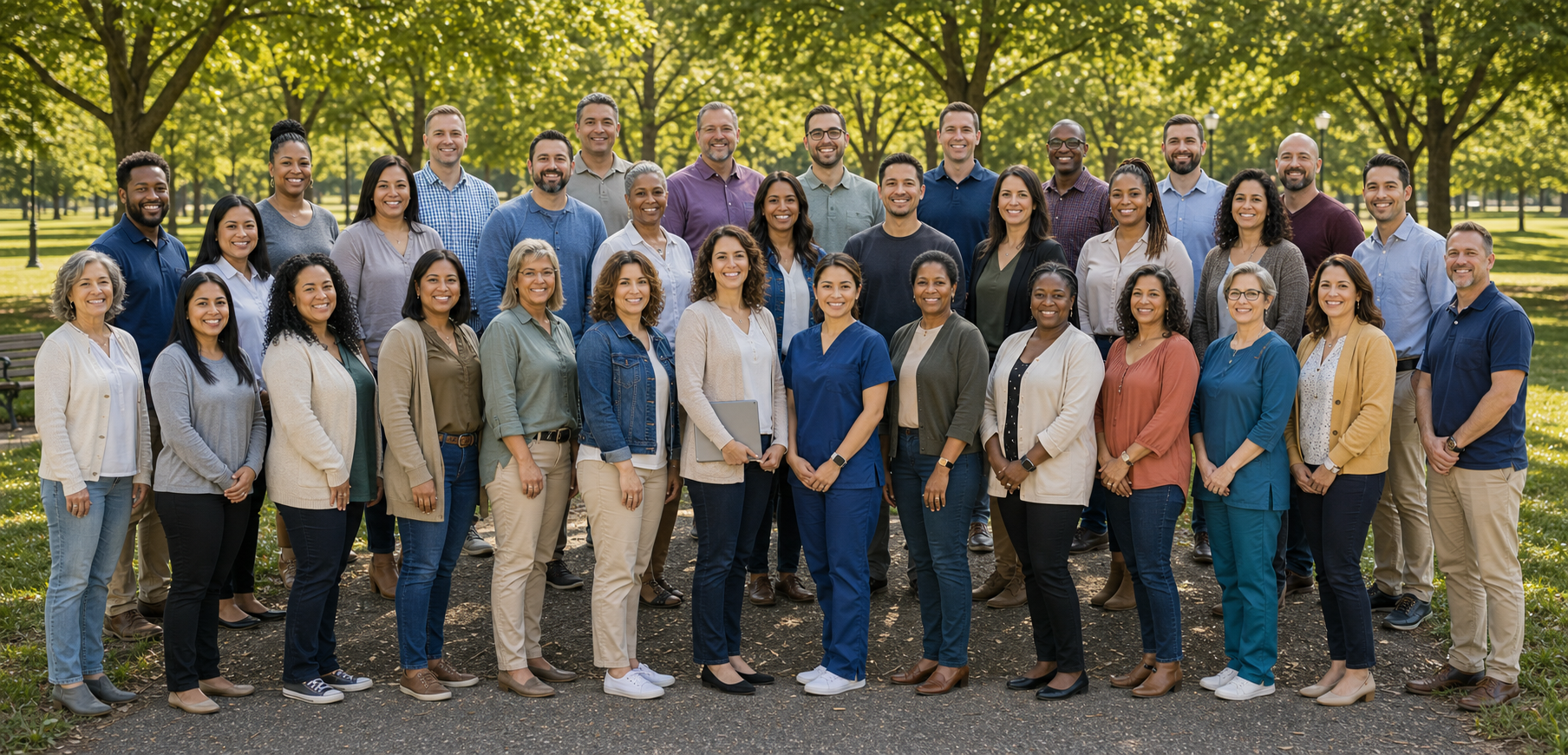
Human services career opportunity
Careers

Build a career where care and advocacy matter.

Human services careers offer the opportunity to support people with developmental disabilities, acquired brain disorders, and other special needs in living with greater independence and dignity.

Working in human services

Work that makes a meaningful difference.

Disability care requires patience, empathy, dedication, and a commitment to person-centered support. It also offers the satisfaction of helping individuals develop skills, build confidence, participate in community life, and gain greater independence.

Human services depend on collaborative teams. Whether someone works directly with individuals or supports services behind the scenes, each role contributes to safety, continuity of care, and quality of life.

Career paths

Make an impact.

Every person deserves to feel understood, respected, and supported.Every role brings compassion, skill, and care to that shared purpose.Together, our teams help individuals build confidence, independence, and belonging.

Direct support

Frontline roles that work closely with individuals in homes, day programs, and community settings.
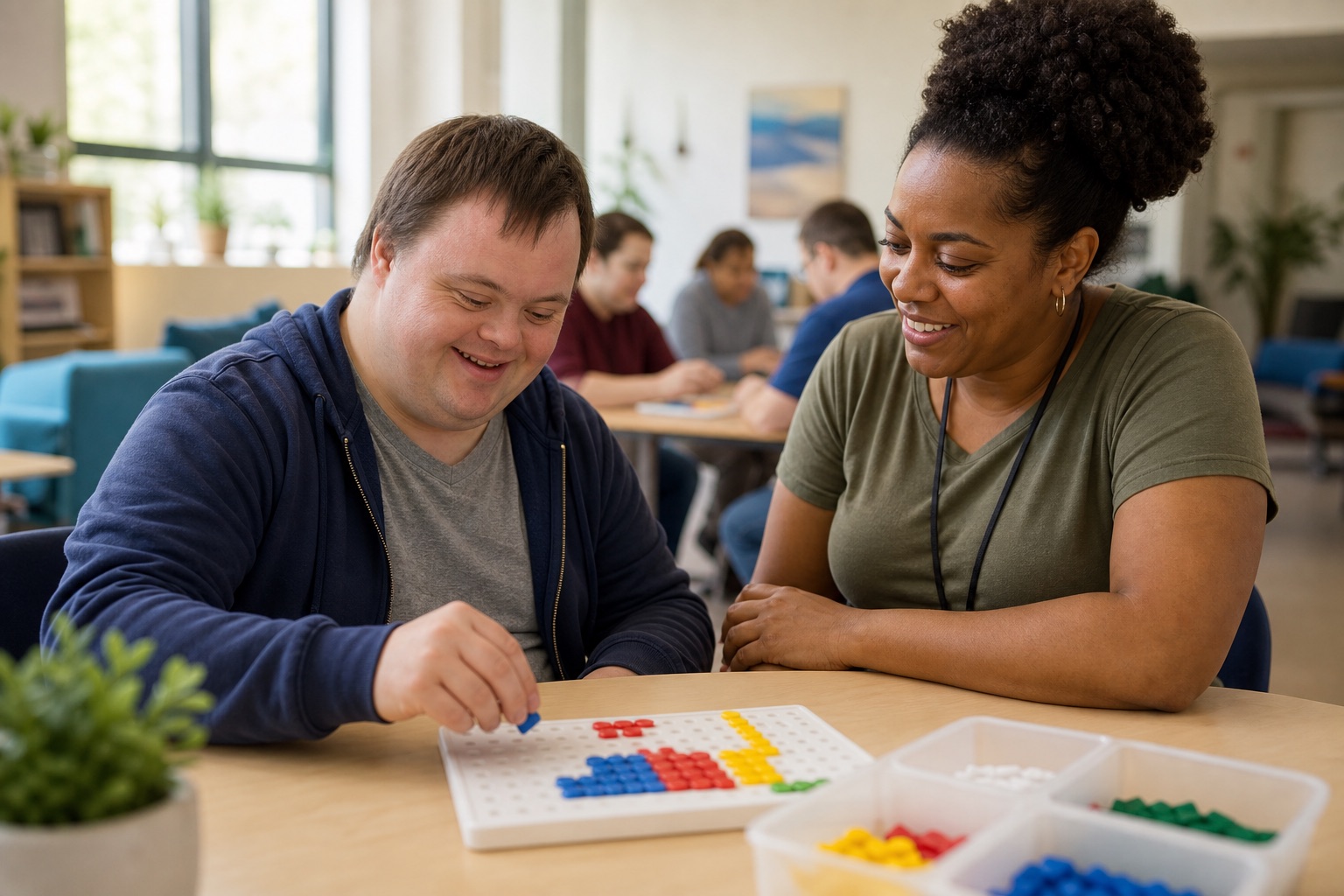
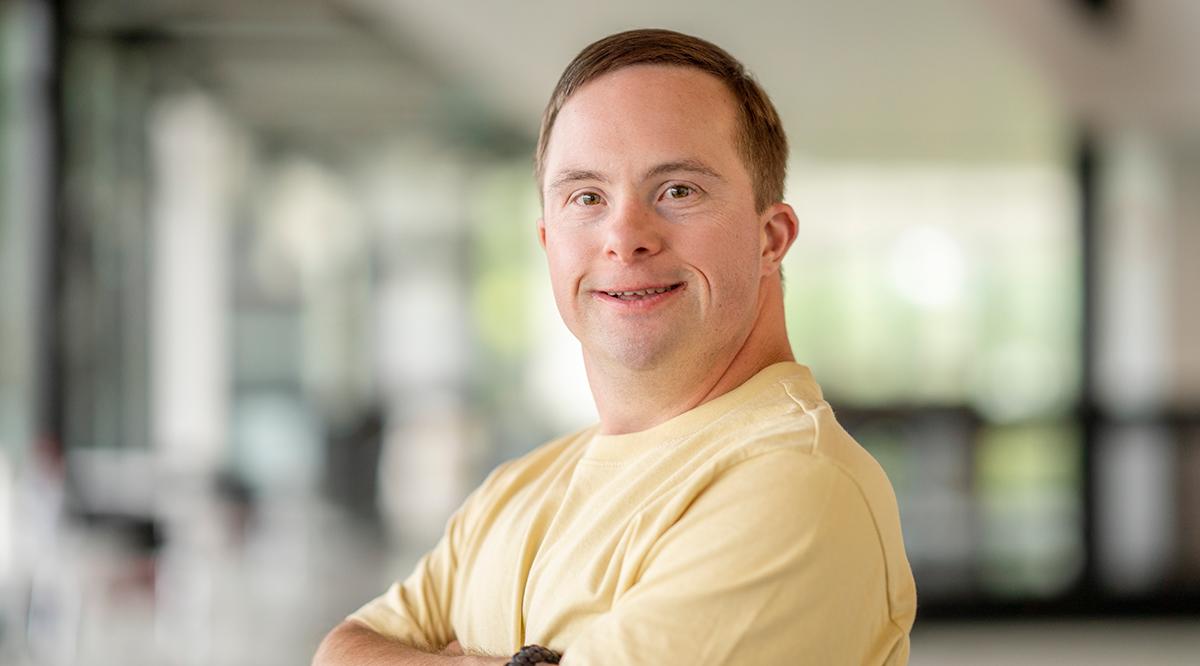
Direct Support Professional helping an adult with a developmental disability in a day program
Direct support

Direct Support Professional (DSP)

Hands-on daily support with personal care, routines, community participation, skill development, and documentation.

Best fit for dependable people who enjoy practical care, relationship-building, and active days.
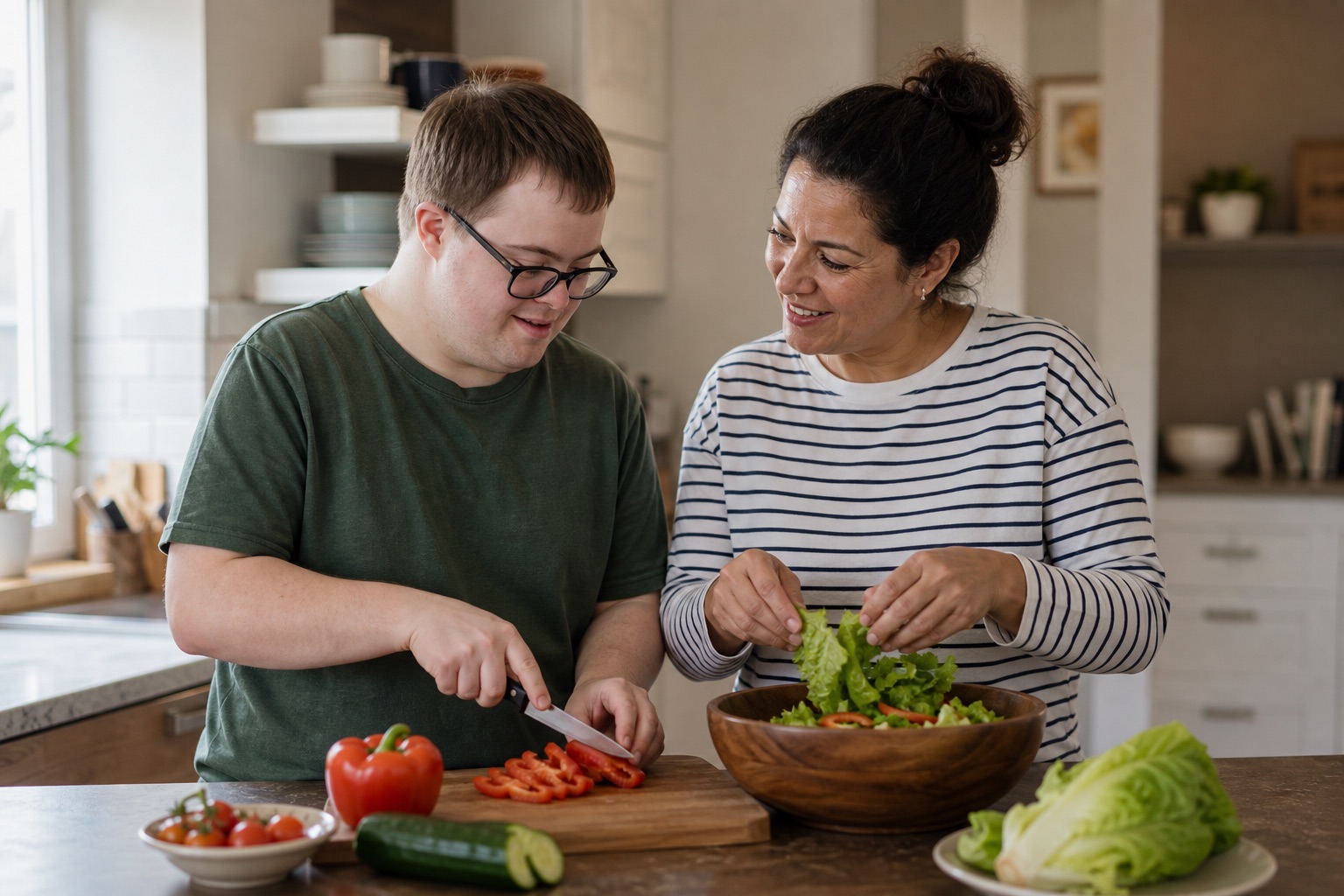
Home Care Provider preparing a meal with an adult with a developmental disability
Direct support

Home Care Provider

Home-based support with bathing, dressing, meals, appointments, medication routines, household skills, and care coordination.

Best fit for steady caregivers who create safe, respectful, and consistent home routines.

Leadership and clinical support

Experienced roles that guide care teams, support complex needs, and help maintain quality and consistency.

Human services manager coordinating care plans with a team
Leadership

Program Supervisor and Manager

Oversight for day or residential programs, staff coaching, service quality, schedules, documentation, and compliance follow-through.

Best fit for experienced human services professionals ready to guide teams and improve programs.

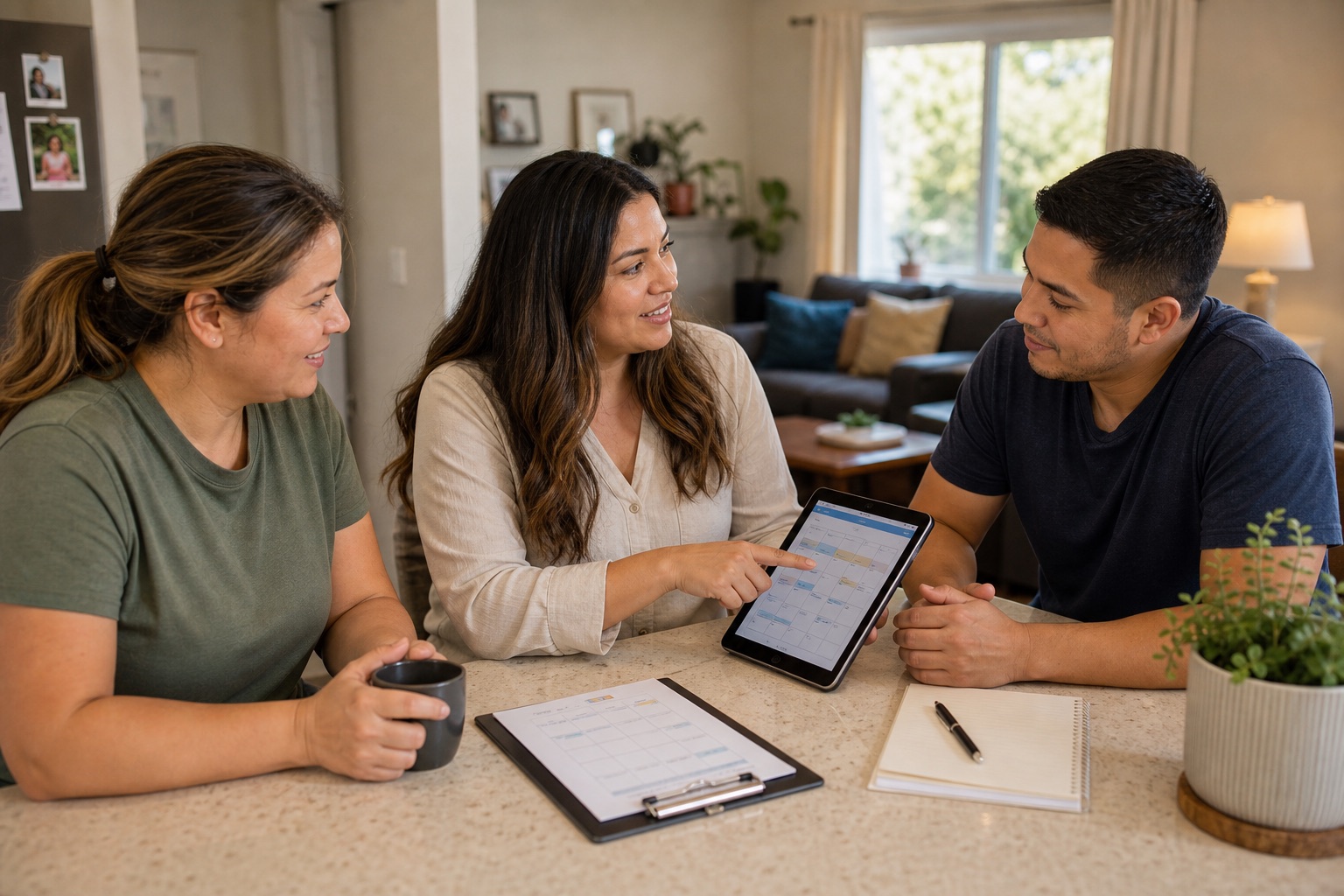
Residential supervisor coordinating home-based care routines with support staff
Leadership

Residential Supervisor and Manager

Daily leadership for home-based care settings, staffing, household routines, care continuity, and quality standards.

Best fit for hands-on leaders with strong communication, judgment, and problem-solving skills.

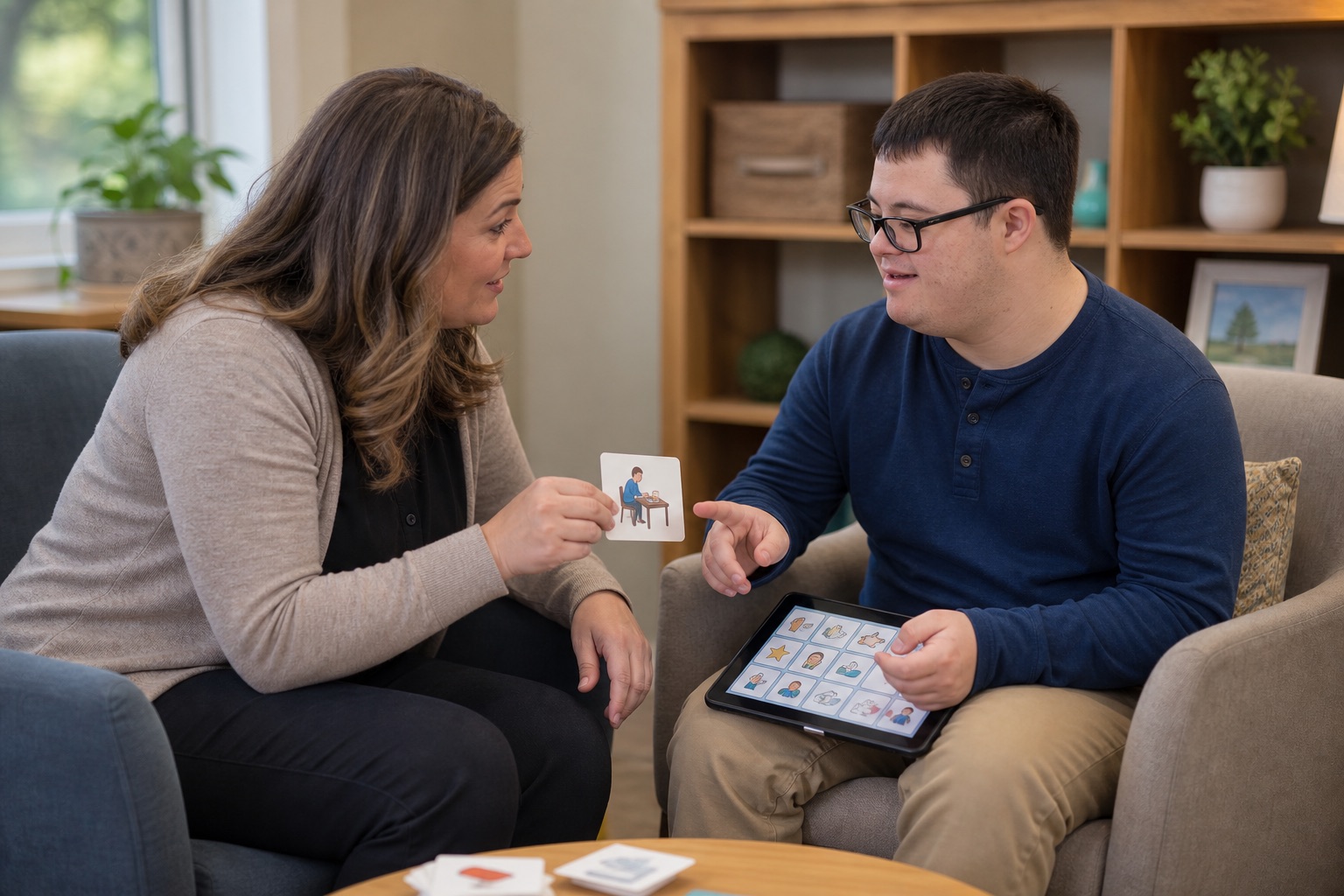
Behavioral therapist using visual support cards with an adult with a developmental disability
Clinical support

Behavioral Therapist or Specialist

Specialized behavioral support through assessment, positive strategies, individualized planning, and team guidance.

Best fit for people with behavioral, psychology, social work, or related support experience.

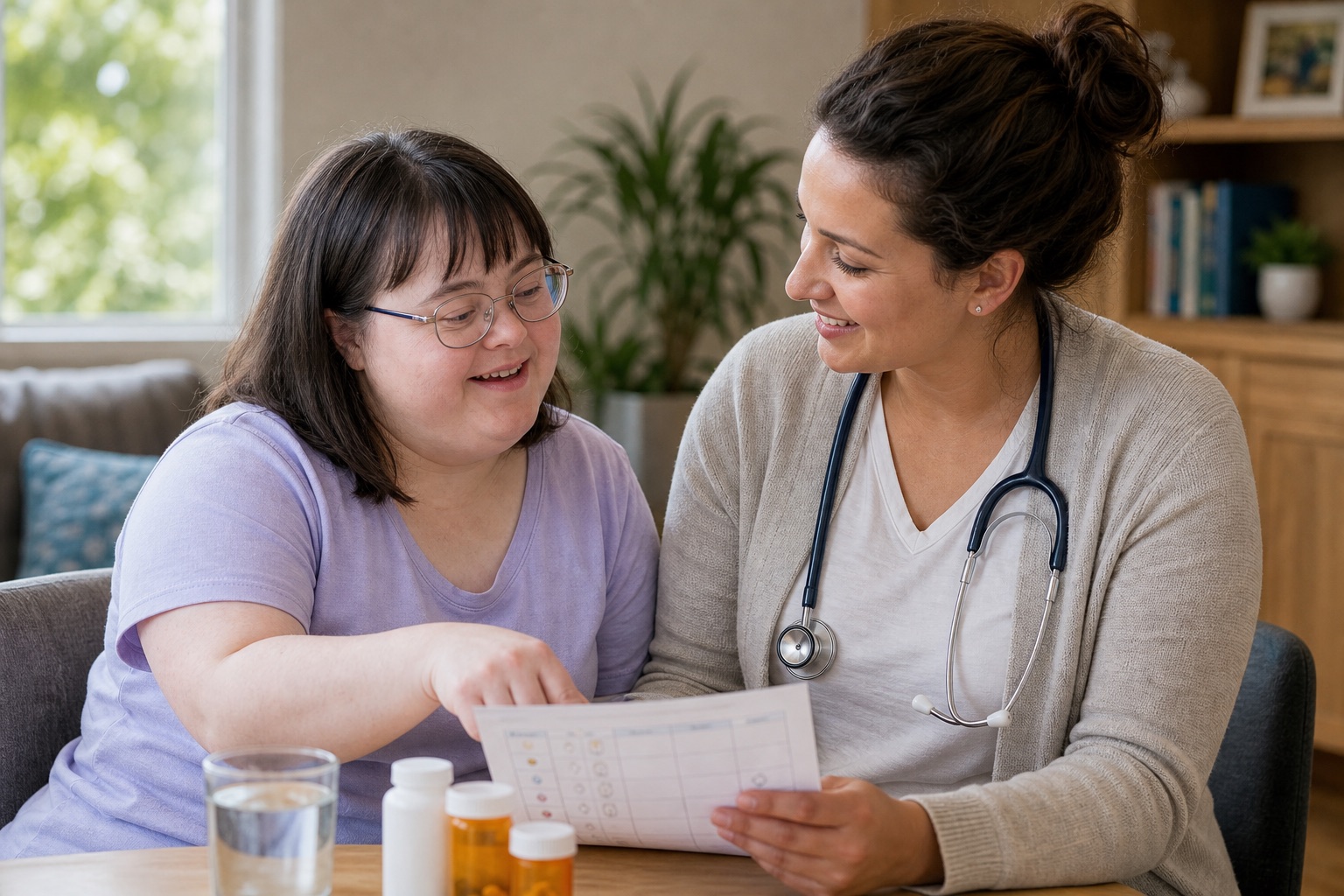
Healthcare professional reviewing a wellness plan with an adult with a developmental disability
Clinical support

Registered Nurses and Healthcare Professionals

Health support through medication routines, assessments, monitoring, appointments, education, and care-plan coordination.

Best fit for licensed or credentialed professionals who connect clinical needs with daily support.

Operations

Behind-the-scenes roles that keep hiring, records, communication, scheduling, and daily operations moving.

Human Resources professional meeting with a care team candidate
Operations

Human Resources

People operations support for recruiting, onboarding, employee development, workplace policies, benefits, and staff relations.

Best fit for organized communicators who care about confidentiality, fairness, and staff support.

Administrative support professional coordinating schedules and records in an office
Operations

Administrative Support

Office and program support through scheduling, records, documentation, communication, data entry, and coordination.

Best fit for detail-oriented people who keep teams organized, responsive, and prepared.

Role qualifications

Role-specific qualifications across our care team.

The qualifications below outline core expectations for each role, from frontline support to leadership, clinical care, HR, and administrative operations.

  • English communicationAble to speak and write clearly for daily care updates.
  • Accurate recordsDocuments support notes and follows through on details.
  • Person-centered supportSupports each person with patience, respect, and consistency.
  • Required trainingCompletes onboarding and role-specific preparation.
Role profile

Direct Support Professional (DSP)

Key qualifications for DSP roles focus on person-centered support, consistency, and safe daily assistance.

Education and eligibility: High school diploma or equivalent is commonly accepted for entry-level roles; required training is provided during onboarding.

Core strengths

  • Ability to support personal care, daily routines, and community participation
  • Ability to communicate clearly in English for documentation and care-team updates
  • Strong communication and clear documentation of daily supports and observations
  • Dependable teamwork, time management, and professional boundaries
  • Willingness to complete required onboarding and role-specific training
Role profile

Home Care Provider

Home Care Providers need practical home-based care skills and a respectful approach to individualized support.

Education and eligibility: High school diploma or equivalent is commonly accepted; additional role-specific training may be required based on assignment.

Core strengths

  • Experience supporting bathing, dressing, grooming, meals, and household routines
  • Ability to communicate clearly in English with clients, families, and care teams
  • Comfort assisting with appointments, medication routines, and care coordination
  • Ability to maintain accurate records and communicate with families and care teams
  • Understanding of safety practices, privacy, and person-first care
  • Reliable attendance and flexibility to support consistent home care needs
Role profile

Program Supervisor and Manager

Program leaders need operational oversight skills and strong people leadership to maintain service quality.

Education and eligibility: A college diploma or university degree in human services, social work, healthcare administration, nursing, psychology, or a related field is often preferred for leadership roles.

Core strengths

  • Experience supervising teams in day or residential support programs
  • Ability to coach staff, monitor quality, and support performance improvement
  • Strong scheduling, documentation, and program coordination skills
  • Understanding of compliance expectations, incident follow-up, and reporting
  • Clear communication with families, guardians, and interdisciplinary teams
Role profile

Residential Supervisor and Manager

Residential leadership roles require hands-on experience in home operations and daily care team management.

Education and eligibility: A college diploma or university degree in social work, human services, community services, healthcare, or a related field is typically preferred, with equivalent leadership experience considered for some roles.

Core strengths

  • Background in residential care operations and team supervision
  • Ability to oversee staffing, routines, and continuity of supports in home settings
  • Strong problem-solving and crisis response judgment
  • Competence in record accuracy, plan follow-through, and communication workflows
  • Commitment to person-first care and respectful household environments
Role profile

Behavioral Therapist or Specialist

Behavioral roles require assessment skills and structured intervention planning tailored to individual needs.

Education and eligibility: A relevant diploma or degree in psychology, behavioral science, social work, or a related field is generally required or strongly preferred.

Core strengths

  • Relevant education or practical experience in behavioral services or related fields
  • Ability to assess behavioral patterns and recommend positive support strategies
  • Skill in developing individualized intervention plans and progress tracking
  • Strong collaboration with families, DSPs, and clinical professionals
  • Consistent documentation and ethical, respectful practice standards
Role profile

Registered Nurses and Healthcare Professionals

Clinical roles support complex health needs through monitoring, coordination, and clear care communication.

Education and eligibility: Role-appropriate professional education and active licensure are required for regulated clinical positions.

Core strengths

  • Current professional credentials and role-appropriate licensure when required
  • Experience with medication routines, health assessments, and wellness monitoring
  • Ability to coordinate appointments and communicate with medical providers
  • Strong clinical documentation and care plan integration skills
  • Comfort supporting teams with health education and practical guidance
Role profile

Human Resources

HR roles require strong people operations skills to support hiring, onboarding, and workplace culture.

Education and eligibility: Diploma or degree preparation in human resources, business administration, or related areas is typically preferred.

Core strengths

  • Experience in recruitment, onboarding, and employee support processes
  • Understanding of workplace policy administration and documentation standards
  • Strong communication, confidentiality, and interpersonal judgment
  • Ability to support staff development and performance workflows
  • Organization and follow-through across multiple priorities and timelines
Role profile

Administrative Support

Administrative roles ensure day-to-day operations stay organized, responsive, and well documented.

Education and eligibility: High school diploma is commonly required; office administration training or related coursework is an advantage.

Core strengths

  • Strong office coordination skills for scheduling, records, and communication
  • Comfort with data entry, document management, and routine reporting tasks
  • Attention to detail and accuracy in confidential administrative records
  • Ability to prioritize tasks and support multiple teams effectively
  • Professional customer service and dependable follow-up habits
The work experience

Purpose in every role.

Human services combine practical responsibility, teamwork, and the opportunity to make a meaningful difference in everyday life.

Work environment

Human services work takes place in residential homes, day programs, and community settings. Team members may assist with daily routines, activities, appointments, documentation, and community participation while adapting to each person’s needs. The environment is collaborative and relationship-based, with direct care staff, supervisors, families, guardians, and healthcare professionals sharing information to provide safe, consistent, and respectful support.

Meaningful work

Meaningful care goes beyond completing a list of tasks. It means listening, building trust, noticing progress, and helping individuals take part in everyday life with greater confidence. Whether a team member provides direct care, clinical guidance, program leadership, human resources, or administrative support, their work contributes to dignity, continuity of care, stronger relationships, and opportunities for greater independence.

Team collaboration

Quality support depends on people working together. Team members share observations, communicate changes, follow support plans, and coordinate with supervisors and other care professionals. Clear, respectful teamwork helps maintain consistency and ensures that important information remains connected to the individual’s needs and goals.

Learning and growth

Human services work offers opportunities to strengthen communication, documentation, problem-solving, and person-centered care skills. Team members continue learning through guidance, training, feedback, and practical experience while taking greater responsibility for dependable and thoughtful support.

Helping hands representing teamwork and care
Team culture

Supporting the people who provide care.

Strong care begins with a team that feels respected, prepared, and supported. HumanLinkcare values teamwork, professional growth, clear communication, and appreciation for the people who make quality care possible.

A thoughtful workplace gives team members room to learn, take responsibility, and contribute their strengths while remaining focused on the well-being of the individuals they support.

An individual participating in an educational activity
Purpose and growth

A place to learn, contribute, and make an impact.

Human services can be an accessible starting point for a new career or a meaningful next step for experienced professionals. The work is grounded in relationships, responsibility, and the shared goal of helping people live well.

Contact HumanLinkcare